 >
> 
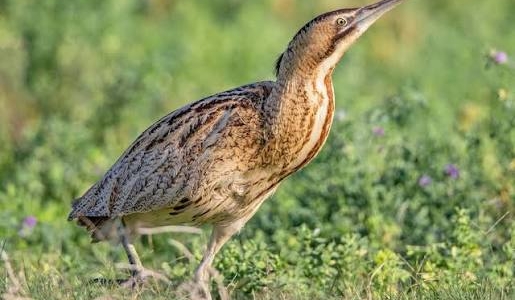
LITTLE BITTERN
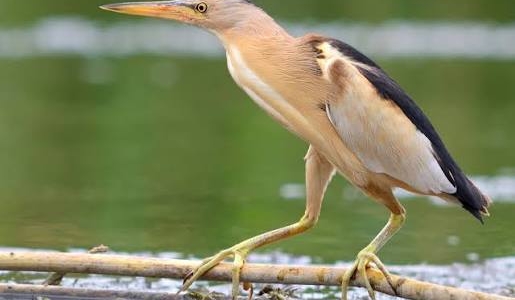
A quiet reedbed can seem empty until a small heron slips between the stems or freezes beside an opening in the vegetation. Through binoculars, look for a compact bird with a thick neck, a...
VIEW PACKAGE
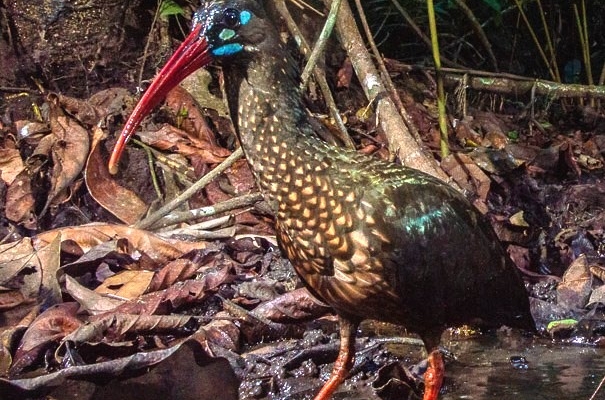
The rare and elusive Spot-breasted Ibis is one of the bird species in Uganda spotted in Semuliki National Park during Uganda birding safaris. This park’s lush, Guinea-Congo lowland rainforest is the only prime location in East Africa where birders can reliably find this shy, forest-dwelling species as they undertake African birding safaris.
The Spot Breasted Ibis is a small dark forest-dwelling Ibis which is referred binomially as Bostrychiarara and a member of Pelecaniiformes that is a medium-sized and large water bird. Being a wading bird species, the Spot-breasted Ibis is a widespread species that commonly occupy swampy forested areas and tropical regions worldwide.
This bird species is characterised with a rounded body-baring a long S-shaped neck and long legs.It features a small-sized body measuring about 47 centimetres in length and also comprises of 270 to 290 mm wingspan.
The species has a long bill that measures between 115 to 130mm long and also has a crest at the back of their heads with the tarsus measuring about 56 to 65mm. With its distinguishing feature being suggested by its name, the Spot Breasted Ibis has a spotted buff neck and a diagnostic breast.
Spot-breasted Ibis species also characterised mainly with uniform dark underparts and a bare bluish colour that surrounds the eyes and found to be smaller among the female Ibis species. During the flight, this Ibis is predominantly identified by its short tail and the wings which are broadened while soaring high in the air.
Juvenile Spot Breasted Ibis has a shorter crest and is duller in colour.Although Spot-breasted Ibis closely relates to the four different members of genus Bostrychia or Ibis family that include the Hadada Ibis, Olive Ibis, wattled Ibis and the Dwarf Ibis which are all restricted to sub-Saharan Africa, it is particularly related to the Dwarf and Olive Ibis.
The species is normally a solitary bird and silent hence making it difficult to observe, however it is often flushed from the ground to a nearby perch where it remains silent when disturbed.It is always active at dusk and dawn and will give a sound or cry while in flight hence producing a loud raucous ha-han.
Although it occasionally feeds at night with the influence of the moonlight, the Spot-breasted Ibis is a diurnal omnivorous bird species having a long bill that mainly feeds on small crustaceans, insects, worms, beetles, aquatic snails, grubs and some plant materials. Due to its solitary nature, the bird species sometimes feeds alone by probing within the muddy swamps and along the streams together with the forest river banks.
During the reproduction process which occurs throughout the year, and here both the adult male and female will solitary construct a nest 6 metres up on the tree branches above the ground near water. The female will lay a maximum of 2 eggs at a time and the clutch will be incubated by both parents with the process taking about 20 days.
After hatching of the clutch, the male and female do feed the chicks until after 40 days when they develop strong and broad wings that can cause flight in them and fully take care of themselves. The chicks are always hatched with a down that is blackish-brown in colour which is replaced with thicker white down within a period of 6 days.
This amazing Ibis if found of inhabiting different tropical regions of Central African Republic, Angola, Democratic Republic of Congo, Angola, Nigeria, Cameroon, Ivory Coast, Liberia, Ghana, Equatorial Guinea, Uganda and Sierra Leone hence widely spread in a range but also rarely seen because of its solitary and silent nature.
Book your best African birding tour today to spot this shy species while birding in Uganda.


Robert
For top-notch safari guidance, contact us via phone or book a video conference with our expert advisors.