 >
> 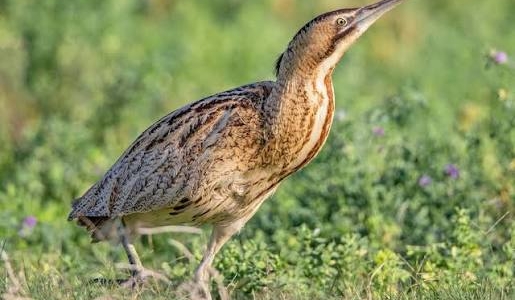
THE EURASIAN BITTERN
This Eurasian also is known as the Great Bittern, is a wading bird found within the Ardeidae or heron family and also classified into the bittern subfamily. The Eurasian Bittern bird is comprised of...
VIEW PACKAGE

The Grey Heron in Uganda is one of the African birds of Uganda seen during birding tours.
This long-legged, predatory wading bird belongs to the heron family and is native to temperate Europe, Asia, and parts of Africa.
Those on Uganda birdwatching safaris and Uganda birding tours often enjoy watching the Grey Heron as it hunts along rivers and wetlands, making birding in Uganda a rich and rewarding experience.
The bird is resident in much of its range, but some more populations from northern parts migrate South wards in autumn. This bird species mainly inhabits the wetland areas, lake shores, marshes, rivers, ponds and on the sea coast.
The bird feeds mostly on aquatic creatures which it catches after standing motionless besides or in water or stalking after its prey through the shallows.
Scientifically referred to as Ardea Cinerea, the Grey Heron is a large water bird standing up to 1 meters tall and the adults having a maximum weight ranging from 1 to 2 kilograms. The bird features a white head and neck with a broad black stripe extending from the eye to the black crest.
It is also characterised with the greyish body and wings above along with the under parts that are greyish-white, with some black on the franks.It has a long sharply pointed pinkish-Yellow beak and brown legs.
The birds breed colonially in spring, usually building their nests high in trees. A clutch of usually 3 to 5 bluish-green eggs is laid. The eggs are incubated by both birds for around 25 days and then feed the chicks which fledge and develop wings feathers that are large and strong enough for flight to occur at the age of 7-8 weeks old.
Many juveniles do not survive their first winter but if they do, they can expect to live for about 5 years.In Ancient Egypt, the deity Bennu (god or a super natural being considered divine or sacred) was depicted as a heron in New kingdom artwork.
In Ancient Rome, the heron was a bird of divination. Roast heron was once a specially prized dish; when George Nevile became the Archbishop of York in 1465, 400 herons were served to the guests.
It is a large bird standing up to 100cm tall and measuring 84-102cm long with a 155-195cm of wingspan. The body weight ranges from 1-2kgs.
The plumage is largely a shy-grey above, and greyish-white below with some black on the flanks. Adults have a white head and neck with a broad black supercilium that terminates in the slender dangling crest and bluish-black streaks on the front of the neck.
The main call is a loud croaking “fraaank”, but a variety of guttural and raucous noises is heard at the breeding colony.
The male uses advertisement call to encourage a female to join him at the nest. Both sexes use various greeting calls after a pair bond has been established.
A loud, harsh “schaah” is used by the male in driving other birds from the vicinity of the nest and a soft “gogogo” expresses anxiety, as when a predator is nearby or a human walks past the colony.
This bird species usually breeds in colonies or flocks commonly known as the heronries. During the breeding season that occurs between February and June, the Grey heron constructs a nest up high in trees that are close to lake shores, wetlands, redbeds and bramble patches hence the breeding nest is used year after year until it is totally blown down.
Within the reproduction process, the adult female lays a maximum of about 3 to 5 matt surfaced greenish-blue eggs. These eggs are usually laid in two different intervals hence incubation starting after the first or second egg being laid. Both parents play a role during the incubation process lasting for about 25 days and after the hatching has happened, the feeding of the young ones is also done by both the adult male and female.


Robert
For top-notch safari guidance, contact us via phone or book a video conference with our expert advisors.