 >
> 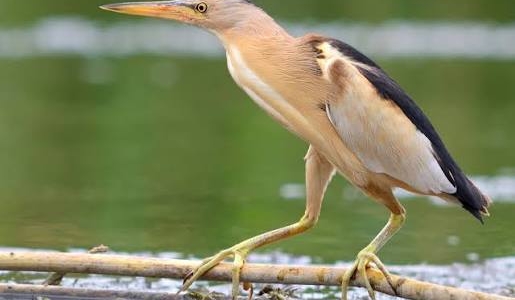
LITTLE BITTERN
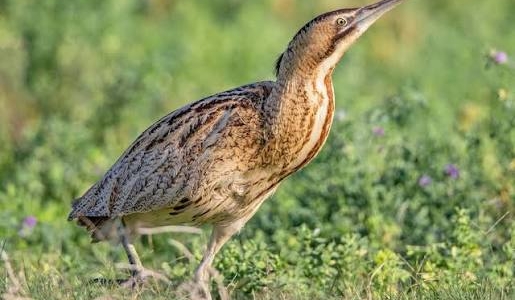
A quiet reedbed can seem empty until a small heron slips between the stems or freezes beside an opening in the vegetation. Through binoculars, look for a compact bird with a thick neck, a...
VIEW PACKAGE
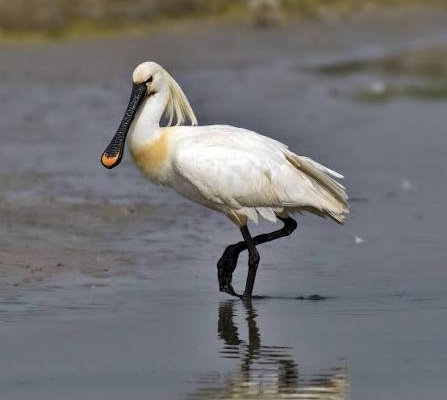
The Eurasian Spoonbill is a wading bird species which is also know as a Common Spoonbill of the Spoonbill of the Threskiornithidae ibis and spoonbill family. Binomiallly the bird species is referred to as Platalea leucordia meaning broad which attributes to the distinctive shape of the bill and also found occupying parts of the Spain, United Kingdom, Japan and North Africa.
Eurasian Spoonbill has a wide range and its is always seen occupying the wetlands where it usually frages in groups. The bird is a big species having a maximum weight that ranges between 1130 to 1960 grams and measuring between 70 to 95 centimeters in length and also bares broad wingspans with of about 115 to 135 centimeters.
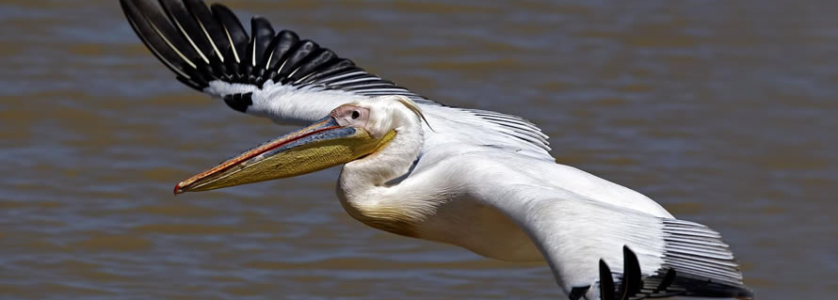
The adult breeding Eurasian Spoonbill features a white layer of feathers and dark long legs. The bird also comprises of a long bill that is in blackish in colour and having a yellowish spoon-like tip. It has a yellow breast patch like that of a Pelican and while in breeding period, it does form a crest.
Juvenile Eurasian Spoonbill is characterized with a pale bill having tips that are blackish in colour to the primary flight feathers and the non breeder species bares no breast patch and a crest. While at flight, the Eurasian Spoonbill flies with an outstreached neck. It has a reduced throat and an orange skin of chin and also comprises of the mostly white face and slightly washed yellow.
Both the male and female spoonbill species have identical or similar sexes with the male being slightly bigger than the female and comprises of red eyes. The bird is commonly a silent species and the only sound released is from the bill snapping and deep grunting during the breeding period.
This bird species while fraging, it walks slowly with a semi open bill in a shallow water. It moves its head and the bill from side to side into water and detects its prey by touch as the bill is altyernatively opened and closed hence catching of different small preys.
During feeding process, the Spoonbill forms small feeding groups while walking close to each other which makes walking forage more efficient. The bird species normally feeds on larvae, aquatic insects, crustaceans, amphibians, small fish and molluscs though sometimes it eats plant matter such as algae.
Eurasian Spoonbill is partly a nocturnal species and nests in large monospecific colonies high in trees, on low vegetation, on ground on Islands and bushes near or above water and the bird is sometimes seen preening and cleaning its layer of feathers.
This Eurasian Spoonbill is a migragory bird species usually travelling in a formation that is considered by height and when flying, it performs a powerful flight with extended legs and short glides which are interspersed with shallow fast wing beats.
During the breeding period, the Spoonbill forms monogamous pairs at the colony. Here the adult male species arrives at the breeding center before the adult female and constructs a small territory while defending and preventing it from intruders and rivals. Within this process, the male bird will perform a wing flapping display and threat display while stretching its head.
The nest is built by both the male and female Spoonbills and the building materials are normally collected and brought by the adult male species. It is constructed mainly with sticks, grass, reeds, stems or twigs and also lined with leaves and grass.
In the reproduction process, the adult female will lay a maximum of about three to four eggs and the incubation of the clutch is done by both parents lasting for about 24 to 25 days. During the hatching process, the adults do cover the chicks with sparse white down.
After hatching, the chicks feathers a soft, freshy and short bill which flattens at the age of 9 days and after 2 weeks it develops the similar bill with that of the adult. The young ones will develop wing feathers that are broad and strong enough for the flight to occur in a period of 45 to 50 days after hatching and at the age of 3 to 4 years will become sexually mature.


Robert
For top-notch safari guidance, contact us via phone or book a video conference with our expert advisors.