 >
> 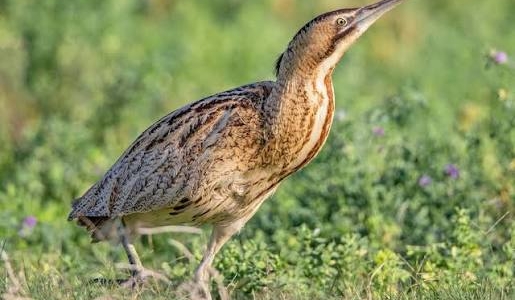
THE EURASIAN BITTERN
This Eurasian also is known as the Great Bittern, is a wading bird found within the Ardeidae or heron family and also classified into the bittern subfamily. The Eurasian Bittern bird is comprised of...
VIEW PACKAGE

The Hamerkop in Uganda is one of the African Uganda birds seen during Uganda birding safaris.
Also known by many names including hammerhead stork, hammerkop, umbrette, and anvilhead this unique bird stands out for its distinct hammer-shaped head.
It is frequently encountered on birdwatching safaris in Uganda and birding tours in Uganda, adding curiosity and excitement to every Uganda birdwatching tour. With such unusual features, the Hamerkop is a true highlight of birding in Uganda.
This is a medium-sized bird that walks with effort through water (wading bird). The Hamerkop is the only species living in the genus Scopus and in the Scopidae family. The species and family were long thought to sit with the storks that are a large, long-legged, long-necked wading bird with long stork bills (Cinconiiformes) but now placed with the medium and large-sized water birds (Pelecaniformes) and the closest relatives are thought to be the Shoebill and Pelicans.
The species’ head with a long bill and crest at the back is in the shape of the hammer, which has given this bird its name after the Afrikaans word for the hammerhead.Hamerkop has a brown layer of feathers or plumage and it is a medium-sized water bird.
This bird is found living in a wide variety of wetlands including lakesides, Riverbanks, fish ponds, Rocky coasts and estuaries in Africa, Madagascar and Arabia.
A Hamerkop is a sedentary bird meaning that it lives in one place for a long time often showing local movements. It also feeds on a wide range of prey, mostly amphibians and fish and also insects, rodents together with shrimps.
It usually hunts the prey in shallow water either by touch or sight but the species is adaptable and will take any prey it can. This bird species is known for its large nest of which several are built during the breeding season. The nest has an internal nesting chamber where the eggs are laid and both parents incubate the eggs and raise the chicks.
The Hamerkop was first described by the French zoologist “MathurinBrisson” in 1760 in his landmark Ornithologia. Therefore he is considered to be the genus authority for the Hamerkop. The bird species is sufficiently distinct to be placed in its own family although the relationship of this species to other families has been a long-standing mystery.
This bird species is usually included in the storks that are large, long-legged, long-necked together with a long bill, but is now thought to be closer to Pelecaniformes and the recently covered studies have found that its closest relatives are the Pelicans and Shoebill.
Hamerkop is the only living member of its family but one extinct species is known from the fossil record. The species is also known as the Hammerkopt, Hammerhead stork, Umber Bird, Umbrette, and tufted umber.
Hamerkop species is a medium-sized water bird, with a height of 56cm and weighing over 470g. The bird’s layer of feathers or plumage is drab brown with purplish colour on the back. It also has a faintly barred with a darker brown tail.
The bird species has a long bill with measurements of 85 mm and slightly hooked at the end hence resembling that of the Shoebill, and it’s a bit compressed and thin, particularly at the lower half of the mandible.
The young Hamerkop bares brown bills, but by time, they change and become black by the time a bird gets wing feathers that are large enough for flight (fledges).
The legs and neck are proportionately shorter than those of similar-looking medium-sized water birds (Pelecaniformes). The bare parts of the legs are black and feathered only to the upper part of the tibia.
Hamerkop has a short tail together with big wings which are wide enough and round-tipped hence soaring well although it does so less than the shoebill stork. When this bird species soar, it stretches its neck forward like a stork and while flapping, it coils its neck back something like a heron.
In walking, its pattern of movement is jerky and rapid, with its head and neck moving back and forth with each stop. It holds its wings out when running for extra stability.
It is an active bird species mostly in the act during the day and often resting during the heat of the day at noon. Therefore Hamerkops are diurnal bird species though they can sometimes be active around the dusk.
Hamerkops are found in Africa which is South of Sahara, Coastal South-west Arabia and Madagascar. The bird species also inhabit all wetland areas including the seasonal pools, rivers, estuaries, streams, Marshes, mangroves, irrigated land such as savannahs, rice paddies and forests and also it requires shallow water in which to forage.
The Hamerkop’s strangest aspect of behaviour is its huge nest which is strong enough to support man’s weight reaching more than 1.5 metres across. In most cases, the nest is built on the folk of a tree often over water and it takes between 10 to 14 weeks while under construction.
After the nest is completed and the eggs laid, most of the nesting materials added after completion are an odd collection of random items including hides, bones and human wastes.
The pairs of these bird species are compulsive nest builders whether they are in breed or not constructing 3 to 5 nests per year. Both members of the pair build the nest and the building of nests has a function in creating and maintaining the pair of the bond between them.
The breeding process happens around all the year within East Africa and in the rest of its range hence peaking at different intervals with a slight bias towards the dry season. They do engage in the breeding display thereby copulating on the nest or ground nearby.
It bares the clutch consisting of 3 to 7 eggs which start chalky white and soon become stained. The measurement of the eggs is 44mm by 33mm on average with a weight of 27g although the considerable variation is seen. The size of the eggs varies by season together with the overall size of the clutch from bird to bird.
In the breeding process, box sexes incubate the eggs, but the female does the most work and the incubation takes around 30 days from the first egg that is being laid to hatching and eggs are laid within the interval of 1 to 3 days.


Robert
For top-notch safari guidance, contact us via phone or book a video conference with our expert advisors.